Order management software is a digital solution that helps businesses manage the complete order lifecycle, from order placement and inventory allocation to fulfilment, shipping, delivery, and returns.
15 Best Order Management Software to Handle Ecommerce Orders in 2026
POST BY
PUBLISHED
October 9, 2026
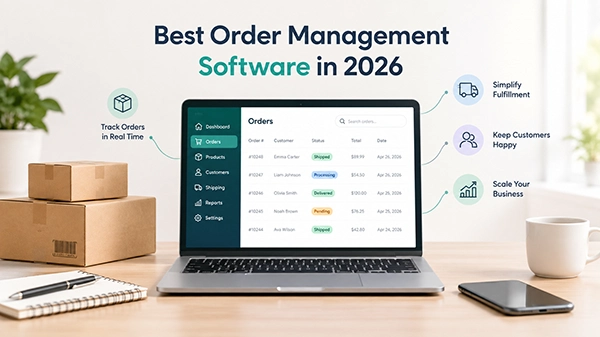
From Shopify and Zoho Inventory to NetSuite and Sellbrite, the best order management software ensures smart order routing, real-time inventory tracking, and unified management of shipping, logistics, returns, and refunds. Research by McKinsey states that E-commerce sales in the United States soared to 18 percent annual growth between 2019 and 2023.
The statistics highlight that when order volume increases and customers expect faster and more reliable fulfilment, businesses, whether small, medium, or large, need a system that can manage orders efficiently across multiple sales channels and customer touchpoints. Follow this article to learn more about the best order management software for every organisation, its key features, pros, cons, pricing, and more.
Table of Contents:
What is Order Management Software? Why Is It Important?
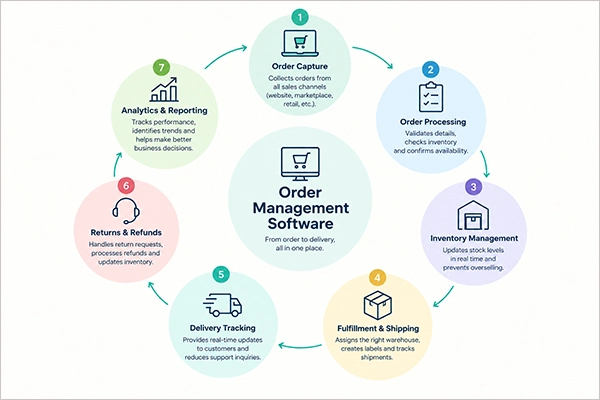
According to IBM, order management software (OMS) is a digital way to manage the lifecycle of an order.
In simple words, order management software is a solution that enables businesses to keep a record of their orders, sales, vendor purchases, inventory, shipping, delivery, fulfilment, returns, and refunds.
For Example: If a customer places an order online, then OMS can automatically:
- Receive the Order
- Check Inventory and Availability
- Choose the Warehouse/Fulfillment Location
- Route the Order for Processing
- Track Shipping and Delivery
- Update the Customer and Inventory
- Process Returns, Refunds, or Exchanges (If Any)
Why is an Order Management Platform Important?
Here’s why an order management platform is a must for an organisation:
- Real-Time Inventory Tracking and Multi-Channel Visibility: According to Slimstock, stockouts drive an average of 4% in lost sales, which means real-time visibility into inventory levels across multiple warehouse locations and fulfilment centres becomes crucial for preventing losses.
- Automated Order Processing: E-commerce order management software automates repetitive tasks, such as order entry, routing, status and inventory updates, and fulfilment requests. This reduces manual intervention, minimizes errors, and enables businesses to process large order volumes efficiently.
- Reduces Shipping Costs: Forbes’ Ecommerce Statistics highlight that 24% drop out of an online shopping session because shipping is too slow. An OMS steps in here and routes orders to the nearest fulfillment location and can help select cost-effective shipping options, reducing delivery distance and overall shipping expenses.
- Multi-Channel Order Management: An OMS consolidates orders from websites, marketplaces, physical stores, and other sales channels into a unified platform. This gives businesses a consolidated view of their orders and helps maintain consistent fulfilment across all channels.
- Data Insights and Business Growth: Robust reporting and analytics tools of OMS provide real-time visibility into orders, inventory, fulfillment, returns, and customer activity in a unified environment. These insights help businesses formulate data-driven decisions, improve operations, and scale more efficiently.
5 Best Order Management Software For Small, Medium, and Large Enterprises
SAP Commerce Cloud, Shopify, Zoho Inventory, Odoo Order Management, and NetSuite Order Management are the 5 best ecommerce order management software options known for their unique features, designed for small, medium, and large enterprises.
Here’s everything you need to know:
1. SAP Commerce Cloud
Best For: Large organisations and enterprises with complex order management requirements.
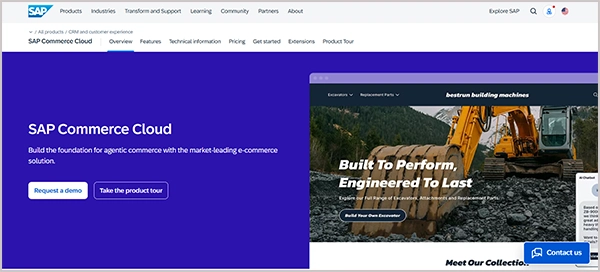
One of the best order management software solutions for large organisations, SAP Commerce Cloud features centralised order management across national and international sales channels. Built to handle complex B2B, B2C, and B2B2C business models, it offers extensive integration capabilities with SAP, ERP, CRM, and supply chain tools. Known for intelligent routing and reverse logistics management, SAP enables businesses to handle complex orders speedily.
Key Features:
- Manages complex, multi-language, and multi-currency product catalogues.
- Offers built-in rules for complex organisational hierarchies, consumer personalisation, and custom pricing.
- Enables AI-powered product recommendations and forecasts.
| Pricing Details | Request a Custom Quote |
| Pros | Cons |
|
|
2. Shopify
Best For: Small Online Businesses, Multichannel Sellers, and Retailers Seeking Built-In Automation and Marketing Tools
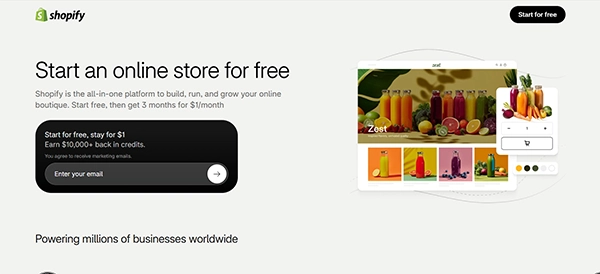
Trusted by big brands like Gymshark, Kylie, and more in 175+ countries, Shopify tops the list of the best order management software options. Shopify offers a centralised order dashboard that enables businesses to track, view, and manage orders in a unified platform. The best part about this platform is that it enables businesses to create online stores and manage orders through diverse channels, including websites, online marketplaces, and more.
Key Features:
- Smart inventory tracking that updates stock to avoid overselling.
- Simplifies shipping by enabling businesses to print labels and manage deliveries within the Shopify platform itself.
- Offers well-designed themes and a library of premium templates for online stores and mobile commerce.
| Price Details |
3-day free trial is available |
| Pros | Cons |
|
|
3. Zoho Inventory
Best For: Small businesses and startups seeking scalability and businesses managing operations across multiple channels and warehouses.
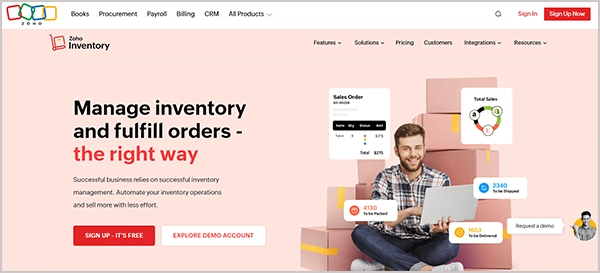
Ideal for businesses operating across multiple channels, Zoho is known for its business automation, and Zoho Inventory is one of the best order management software solutions, known for managing inventory across multiple warehouse locations and handling sales spikes. It syncs and fulfils orders placed across diverse channels, manages the customer lifecycle, and groups items, all in a single platform.
Key Features:
- Offers shipping management tools that enable businesses to track shipments and manage delivery updates within the platform.
- Generates low-stock alerts and automatically sets purchase orders to avoid stockouts.
- Enables barcode and RFID tracking that scans items, updates stock, and reduces manual errors.
| Pricing Details |
|
| Pros | Cons |
|
|
4. Odoo Order Management
Best For: Small and mid-size businesses, omnichannel retailers, and e-commerce
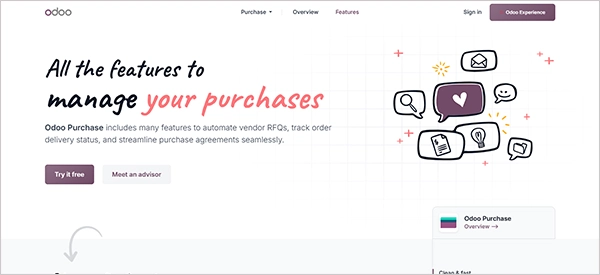
Odoo is an all-in-one order management software, handling everything from RFQs and orders to invoicing, products, and more. The standout feature of this well-known workflow management software is its personalised messages and requests for quotations to suppliers; it keeps track of stock, incoming orders, product availability and defines products’ exact position in the warehouse, reducing manual labour.
Key Features:
- Offers a centralised platform to track orders, view status, and manage order fulfillment.
- Features dashboards, inventory forecasts, reporting, and analytics to get insight into sales performance, vendor reliability, inventory, and more.
- Integrates accounting, CRM, and sales for complex operational needs.
| Price Details |
|
| Pros | Cons |
|
|
5. NetSuite Order Management
Best For: mid-sized to large enterprises with complex order management requirements.
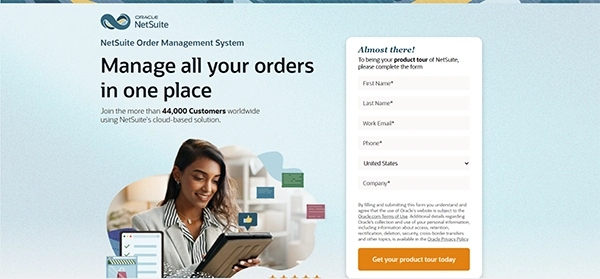
NetSuite is a cloud-based order management platform, known for its omnichannel fulfillment, easy shipping, drop shipping, and real-time visibility into inventory, pricing, and order data. Best suited for mid-size and enterprise-level companies, it offers financial order management solutions that help businesses manage invoicing, accounting activities, and revenue related to e-commerce.
Key Features:
- Features real-time inventory visibility across multiple warehouse locations.
- Offers planning and reporting tools that enable businesses to predict product demand and maintain the required inventory.
- Creates an Item Fulfilment List, which includes inventory deduction, packing instructions, tracking number assignment, and shipment confirmation to the customer.
| Pricing Details | Request a Custom Quote |
| Pros | Cons |
|
|
Extended List of 10 Best Ecommerce Order Management Software Worth Considering
Here’s an extended list of ecommerce order management software worth investing in:
| S No. | Ecommerce Order Management Software | Key Features | Price Details |
| 6. | Goods Order Inventory |
| Starts at $199/month |
| 7. | Brightpearl |
| Custom Quote |
| 8. | Linnworks |
| Custom Quote |
| 9. | Cin7 |
| Starts at $349/month |
| 10. | inFlow Inventory |
| Starts at $129/month |
| 11. | Sales Force Management |
| Custom Quote |
| 12. | Veeqo |
| Starts at $19/month Free tier is also available |
| 13. | Sellbrite |
| Starts at $29/month 14-day free trial is Available |
| 14. | Katana |
| Starts at $299/month Free tier is also available |
| 15. | Manhattan Active Omni |
| Custom Quote |
Suggested Reading: 18 Best Retail Scheduling Software – Features, Pros & Cons
Final Thoughts
To sum up, order management solutions help businesses take control of the entire order lifecycle and bring scattered processes of inventory management, fulfilment, etc., into a unified platform. By automating repetitive tasks and connecting orders, inventory, and fulfilment data in one place, an OMS can significantly reduce manual work, improve order accuracy, and provide visibility into the sales channels and overall business growth.
However, choosing the right order management solution depends on your business size, order volume, sales channels, integration, automation needs, and budget.
Frequently Asked Questions (FAQs)
What is order management software?
What are the 5 best order management software options?
SAP Commerce Cloud, Shopify, Zoho Inventory, Odoo Order Management, and NetSuite Order Management are the top 5 ecommerce order management software options.
Are there any best order management software solutions for small and mid-sized businesses?
Yes, Shopify, Zoho Inventory, Odoo Order Management, and inFlow Inventory are among the best order management platforms for small and medium-sized businesses.
What are the important features to look for in order management software?
Order processing and routing, inventory management, centralised platform, omnichannel order management, fulfillment, shipment management, returns, refunds, reporting, and analytics are must-have features for an order management platform.