What Makes an Interactive Humanoid Robot Feel Human?
POST BY

PUBLISHED
November 12, 2026
A responsive humanoid robot feels human when its behavior matches the social and physical cues people expect in face-to-face interaction. That notion comes from more than appearance alone. Smooth motion, balanced posture, eye contact, expressive gestures, natural speech, and quick responses all shape whether a robot seems innate or mechanical. Perception also matters. A robot must detect voices, faces, movement, and environmental variations fast enough to react in real time. When these abilities work together, the communication feels less like operating a machine and more like communication with a responsive partner. The most convincing humanoid systems combine body control, communication, and interpretation in one coordinated experience, creating interactions that are easier to understand, more comfortable, and more useful in everyday settings for people.
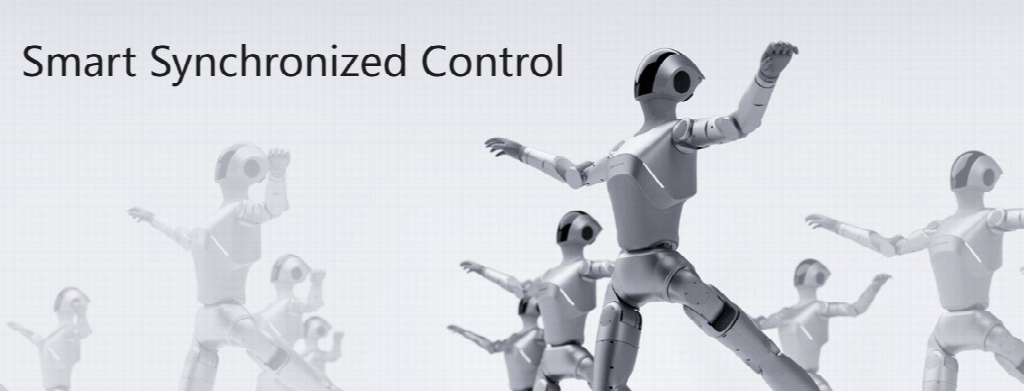
Table of Contents:
The Human-Like Qualities Behind Natural Robot Interaction
Natural Movement, Gestures, and Body Language
Human interaction depends heavily on motion, so a human-like robot feels more natural when its movements are fluid, sturdy, and purposeful. Small details matter: how it turns toward a speaker/orator, shifts weight while standing, uses its arms to emphasize a point, or adjusts its posture according to nearby people. Jerky motion breaks the hallucination immediately, while coordinated gestures make communication easier to read. Body language also helps signal attention, motive, and social awareness before a word is spoken. When locomotion, hand movement, and trunk alignment work together, people can guess the robot’s actions more easily. That predictability builds comfort and trust, which are essential for sustained, intuitive, and more human-like interaction in common spaces.
Facial Expressions, Voice, and Emotional Communication
A robot also feels human when it communicates emotion in ways people immediately recognize. Facial expressions, head movement, gaze direction, and vocal tone all contribute to that effect. Even subtle changes, such as pausing before a response or softening the voice during assistance, can make interaction feel more obliging and socially appropriate. Speech must sound clear, paced, and context-aware rather than flat or overly scripted. Emotional communication does not require acting to be human; it requires signaling intent in a familiar, readable way. When a robot can interpret confusion, respond with warmth, or convey urgency appropriately, users understand it faster. That makes conversations smoother and helps the robot seem attentive, responsive, and easier to engage with.
The Technologies That Make Humanoid Robots More Interactive
Here are the descriptions with proper explanation:
Multimodal Perception and Real-Time Human Interaction
Human-like interaction relies on a robot’s ability to perceive multiple signals at once and interpret them without delay. Multimodal perception combines vision, audio, motion sensing, and environmental realization so the robot can recognize people, locate sound sources, track movement, and understand context. Real-time processing is critical because late responses feel unnatural, especially during conversation or close physical interaction. A robot that can detect who is speaking, notice gesture hints, and adjust to changes in distance or resistance becomes far easier to interact with. This sensing ability supports safer navigation and more relevant responses. In practice, perception connects the robot’s body and communication systems, allowing it to act with apt timing that feels immediate, coordinated, and socially aware.
Intelligent Motion Control and Adaptive Responses
Perception alone is not enough; a humanlike robot must translate information into smooth, appropriate action. Intelligent motion control coordinates joints, balance, walking, arm movement, and posture so the robot can move confidently in dynamic environments. Flexible response systems then modify behavior based on what the robot sees, hears, or guesses next. That could mean slowing down near people, changing path in a crowded space, or changing a conversational response after detecting confusion. The most natural robots do this continuously rather than through tough preprogrammed sequences. Fast control loops, coordinated whole-body motion, and behavior planning make the robot appear deliberate rather than reactive. Together, these technologies create interaction that feels flexible, attentive, and much closer to human behavior.
How Interactive Humanoid Robots Create More Natural Experiences
LimX Luna: Combining Fluid Motion with Multimodal Interaction
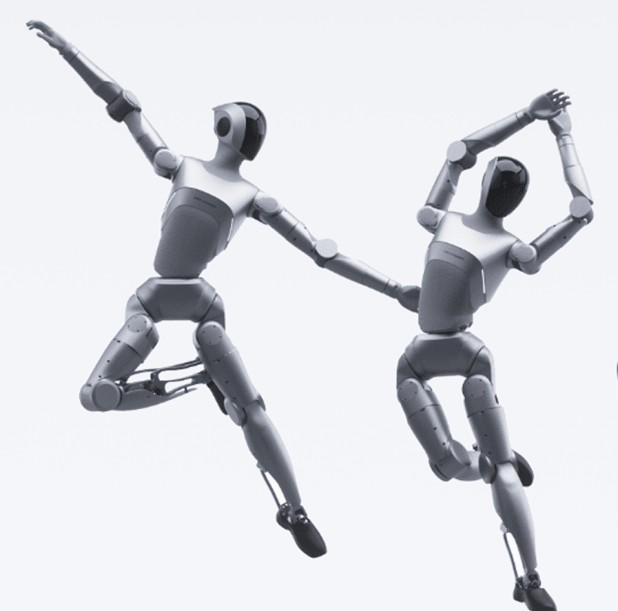
LimX Luna shows how interactive humanoid robot emerges from combining movement, perception (kinesthesia), and communication in one system. Rather than relying on appearance alone, Luna is made to deliver fluid whole-body motion and multimodal interaction that develops more natural engagement with people. Its value lies in synchronized behavior: stable locomotion, responsive posture, and the ability to interpret surrounding cues while interacting in real time. That combination helps the robot move through common environments more smoothly and communicate with clear intent. By connecting expressive motion with perceptive awareness, Luna demonstrates why believable humanoid interaction depends on integration, not isolated features. A robot feels more human when its sensing, decision-making, and physical behavior operate as one logical experience for users.
Real-World Applications of Human-Like Humanoid Interaction
Human-like humanoid interaction matters because it enhances usability in real environments where people rely on fast, automatic communication. In public reception, guided assistance, education, research, and service scenarios, natural signals and responsive dialogue reduce friction and shorten the training period for users. People understand commands more easily when the robot can point, orient its body, maintain attention, and react to spoken cues in context. In collaborative spaces, smoother movement and better awareness also improve safety and predictability. These qualities make humanoid robots more effective as an association between digital intelligence and physical environments. When robots interact in known human ways, they become easier to approach, simpler to interpret, and more capable of supporting practical day-to-day tasks.
Conclusion
What makes a responsive humanoid robot feel human is the quality of the interaction it creates. People respond most naturally to robots that move smoothly, communicate clearly, interpret social cues, and react in real time. Human likeness comes from cooperation across body language, voice, perception, and adaptive control rather than from visual design alone. When these elements align, the robot becomes easier to understand, safer to work around, and more comfortable to engage with. That is why advances in multichannel perception, intelligent motion control, and expressive communication matter so much. They turn a machine into a more intuitive partner. The future of humanoid robotics will be defined by systems that transform these abilities into experiences that feel natural, useful, and genuinely interactive.
FAQs
What technologies make the robots humanlike?
Technologies like vision cameras, audio microphones, depth sensors, actuators, and motors all combine to give the robot a human-like or humanoid feel.
How do robots show facial expressions?
Robots use the motors, actuators, or pneumatic systems that are present under their skin parts and help them to make the small movements in eyes, lips, cheeks, etc.
Are humanoid robots dangerous for the world?
No, humanoid robots are not directly harmful to the world, but robotic movements that have network connectivity could be altered by hackers to misuse the technology. Also, any physical damage may trigger an intersystemic problem, which can cause problems for humans to handle.
Do robots feel real emotions when programmed?
No, robots do not feel real emotions; they act according to the set algorithms and fed information, and there is no personal consciousness or awareness in the robots.