Some solutions include strong access controls, regular software updates, data encryption, and backups. Organizations should also implement network monitoring, firewalls, and employee cybersecurity training to reduce security risks. Regular safety audits help identify vulnerabilities and improve overall protection against unauthorized access.
How to Enhance Security at Your Corporate Headquarters
POST BY
PUBLISHED
June 9, 2026
“Safety work is today recognized as an economic necessity. It is the study of the right way to do things.” — Robert W. Campbell (Ex-Prez, National Safety Council)
Corporate headquarters have lately become the prime targets for theft, vandalism, and other security vulnerabilities. Even a minor incident can disrupt operations, damage reputation, and finances. A recent employee survey stated that 30% of employees have witnessed workplace violence and 15% have personally been targeted.
These corporate HQs need a more robust security approach that integrates technology, processes, personnel, and awareness.
This guide lists some practical tips to strengthen safety at your corporate office. But first, let’s see what the situation of corporate security is, so that even more of it is needed.
KEY TAKEAWAYS
- With increased attacks, the safety situation at corporate headquarters needs immediate attention.
- A proactive approach combines strong access controls, advanced surveillance and detection systems, and employee training.
- The result is a comprehensive visitors management and security system that prevents safety incidents from transforming into hazards.
Table of Contents:
Executive Targeting: In Numbers
Attacks on working professionals have increased significantly. Here’s a table that quantifies them:
| Increase in executive targeting incidents in 2025 | 2× (doubled) |
| Physical incidents like assaults, kidnappings, stalking, and protests | 85% |
| Violent attacks caused by ambushes and walk-up tactics | 75% |
| Physical incidents that were violent attacks | 37% |
| Incidents targeting CEOs | 64% |
| Increase in attacks against non-CEO leadership roles since 2023 | 225% |
Establish Strong Access Control Measures
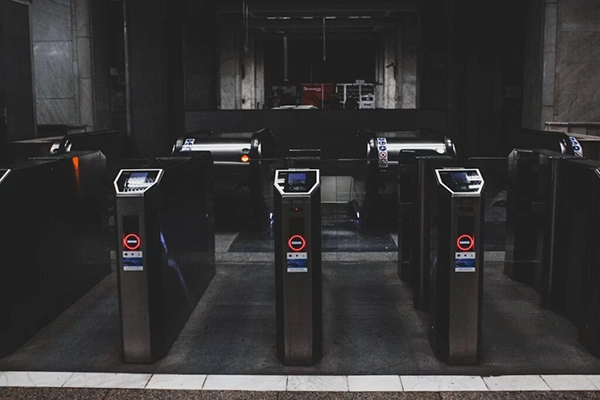
As they say, prevention is better than a cure. Keeping a keen eye on who’s entering the building is an effective way to prevent incidents before they turn into security hazards. An access control system can competently monitor and manage the entry points.
Employees should use identification badges or secure credentials to gain entry, while visitors should follow a structured check-in process. Access permissions should also be tailored to specific roles within the organization. Not every employee needs access to every department or sensitive area.
Restricting movement within the facility reduces risks and helps protect valuable assets. Regularly reviewing access privileges ensures that former employees or unauthorized individuals cannot gain entry through outdated credentials.
Invest in Advanced Surveillance Systems
Surveillance tech is a major part of modern workplace safety. High-quality cameras throughout the business premises can help security teams monitor activity and identify suspicious behavior.
According to The New York Times, just a couple of months ago, a man threw a Molotov cocktail at OpenAI CEO Sam Altman’s home. The man fled but was found about an hour later at OpenAI headquarters. Police then arrested the suspect for threatening to burn down the HQ building.
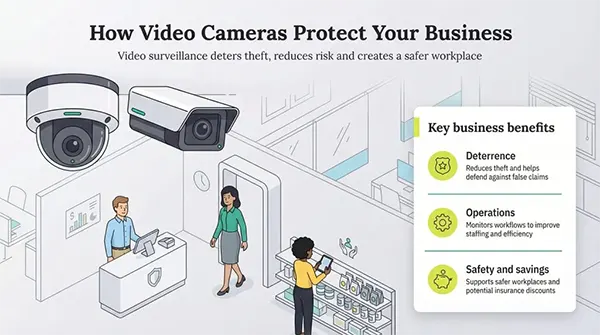
In such circumstances, advanced surveillance systems are very useful. They detect threats in real time and also track suspicious activities around the HQ perimeter. Coverage should include entrances, exits, parking areas, and other high-traffic locations.
Modern surveillance platforms offer far more than simple video recording. Many systems now include intelligent analytics, motion detection, and real-time alerts. These features help security personnel respond quickly when unusual activity occurs.
The infographic summarizes how these advanced surveillance systems make your corporate premises safer:
Upgrade Protection with Advanced Detection Technology
Many traditional security measures are still valuable, but as they say, modern (safety) problems require modern solutions. Deploying advanced scanners and detection equipment can significantly improve the ability to identify prohibited items before they enter your facility. These tools provide an additional layer of protection that supports existing security protocols.
Many organizations are now turning to portable solutions because they offer flexibility and convenience. The CEIA OPENGATE systems are a good example of such portable solutions. A CEIA OPENGATE weapons detection system can function as a highly effective walk-through detector while maintaining smooth traffic flow.
According to GXC Inc., these modern systems provide reliable threat identification while maintaining smooth, professional screening experiences for visitors and staff. A portable security scanner can be moved wherever needed, making it a practical safety system for changing operational requirements. These technologies support weapon detection and efficient security screening without creating unnecessary delays.
Train Employees to Recognize Security Risks
Technology can protect the premises and personnel inside to an extent. But it’s the employees who are mostly being targeted. Tech is programmed and rarely makes any mistakes; it’s the workforce where the security leaks mostly happen.
Proper training helps staff identify suspicious behavior and respond appropriately when concerns arise. Awareness programs should be conducted regularly rather than only during onboarding. Employees should understand reporting procedures, emergency protocols, and basic cybersecurity practices.
When workers know what warning signs to watch for, they can help prevent incidents before they develop into larger problems. A well-informed workforce strengthens the overall safety posture of the entire organization.
Develop a Comprehensive Visitor Management Process
A corporate building handles huge foot traffic daily. In addition to the regular employees, visitors include people coming for deliveries, meetings, etc.
Without proper oversight, these individuals can create security vulnerabilities. A structured visitor management process helps maintain accountability while ensuring guests feel welcomed and professionally accommodated.
Every visitor should be required to register upon arrival and receive temporary identification. Hosts should be notified immediately when their guests arrive, and visitors should remain escorted when accessing sensitive areas.
Digital visitor management systems can further streamline the process by maintaining accurate records and enhancing overall visibility. These procedures create a balance between safety and convenience for everyone involved.
Besides, according to Maribel Cortes Conde, a senior program manager at GE Aerospace, AI can also be integrated into these systems. Visitor management systems act as strategic intelligence layers. Digital product owners use AI tools to anticipate security risks. They transform visitor data into powerful predictive safety measures.
Conclusion
In light of increased attacks at corporate premises, the security strategy needs a thoughtful overhaul with a proactive approach. Advanced surveillance, modern detection technology, employee training, and visitor management all contribute to a safer environment. Each element strengthens the others and helps create a comprehensive safety framework.
Investing in security is ultimately an investment in your people, assets, and business continuity. By implementing these strategies and reviewing them regularly, you can reduce risks while creating a workplace where employees and visitors feel confident and protected. A secure headquarters supports long-term success and allows your organization to focus on growth without unnecessary distractions.
FAQs
How to protect office data servers?
How to protect employees from physical threats at the office?
Employees can be protected from physical threats through controlled building access, security personnel, and clear emergency procedures. Well-lit facilities, visitor management systems, and regular safety training also help reduce workplace safety risks. Encouraging incident reporting and maintaining effective communication channels further strengthens employee safety and preparedness.
Is biometric identification a good way to prevent intruders at the office?
Biometric identification can be an effective way to prevent unauthorized access because it relies on unique physical characteristics. When combined with other security measures, it can improve access control and reduce the risk of stolen credentials. However, organizations should also address privacy concerns and maintain secure handling of biometric data.


![Patch Management Software]](https://zingmatrix.com/wp-content/uploads/2026/09/Patch-Management-Software.webp)