Reactive maintenance fixes broken equipment, while preventive maintenance follows a set schedule. Predictive maintenance uses real-time sensor data and machine learning to repair equipment right before failure occurs.
How Will Future Maintenance Services be Impacted By Advancing Technology?
POST BY
PUBLISHED
September 1, 2026
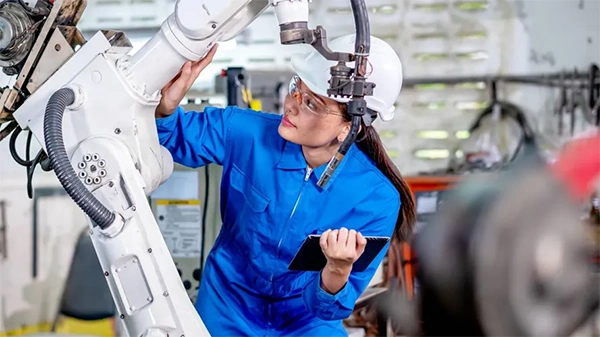
The maintenance industry is currently experiencing a fundamental transformation, and there’s no indication of slowing down. As technology advanced at a pace that would have seemed unrealistic some time ago.
The way teams approach equipment upkeep, diagnostics, and system monitoring is now evolving dramatically. From small-scale operations to sprawling industrial facilities, the most toward smarter, more connected maintenance is already underway.
This article outlines the rise of predictive maintenance, advanced diagnostic and precision troubleshooting and the role of AI in decision-making.
Table of Contents:
The Rise of Predictive Maintenance
One of the most significant shifts in modern maintenance is the move away from reactive strategies toward genuinely proactive ones. Rather than waiting for equipment to fail before taking action, advanced sensors and data analytics now allow maintenance teams to anticipate problems before they escalate into something costly. This proactive approach reduces downtime, extends equipment life, and delivers significant cost savings over time. Machine learning algorithms continuously analyze performance data, catching subtle patterns that human technicians might never notice. As these systems grow more sophisticated, predictive maintenance will become the industry standard rather than a premium offering reserved for large enterprises.
IoT and Connected Equipment Monitoring
The Internet of Things has opened up an entire new world of possibilities for maintenance professionals. Sensors embedded throughout equipment and infrastructure now transmit real-time performance data to centralized dashboards, giving teams a complete picture of system health at any given moment. This kind of IoT connectivity means issues can be flagged and addressed remotely, often before anyone on the facility floor has noticed a thing. Connected monitoring systems also generate valuable historical data, assisting organizations in making smarter decisions about equipment replacement and upgrade cycles. As IoT infrastructure becomes more affordable and accessible, even smaller businesses will be able to tap into these powerful capabilities.
Advanced Diagnostics and Precision Troubleshooting
Modern diagnostic tools have taken troubleshooting to a completely new level of accuracy and efficiency. Technicians today have access to updated instrumentation that can pinpoint the exact source of a malfunction, dramatically cutting down on guesswork and unnecessary component replacements. In industrial fluid systems, for example, the use of advanced valve diagnostics allows maintenance teams to assess valve performance, detect wear, and identify flow irregularities with remarkable precision. These services not only improve first-time fix rates but also reduce the risk of improper repairs that could trigger larger system failures down the line. As diagnostic software continues to evolve, technicians will be empowered to resolve even the most complex issues with greater speed and confidence.
Automation and Robotics in Maintenance Workflows
Automation is beginning to reshape the physical side of maintenance work in genuinely meaningful ways. Robotic systems are currently being deployed to carry out inspections in hazardous or hard-to-reach environments, keeping human workers safer while ensuring thorough oversight of critical assets. Drones, for example, are now routinely used to inspect pipelines, rooftops, and large-scale industrial structures with a level of detail and frequency that manual methods simply can’t match. Automated maintenance operations also bring greater consistency to the work itself, eliminating the variability that naturally comes with human-performed tasks. As robotics technology proceeds to mature, these tools will likely become a routine part of everyday maintenance operations across a wide range of industries.
The Role of Artificial Intelligence in Decision-Making
Artificial intelligence is quickly becoming one of the most beneficial tools available to maintenance teams, and its influence is only going to grow. AI platforms can process enormous volumes of operational data and surface valuable insights far faster than any human analyst could manage on their own. These systems help maintenance supervisors prioritize work orders, allocate resources more effectively, and make data-driven calls about when to repair versus replace aging equipment. AI-driven servers are also sharpening the accuracy of failure predictions, helping the company sidestep costly unplanned outages before they happen. As AI capabilities continue to develop, the technology will likely prove an essential part of maintenance planning and strategy at every level of an organization.
Conclusion
The future of maintenance services is higher-performing, faster, and more connected than ever before. Advancing technology is equipping maintenance professionals with the information they need to work more efficiently, make better decisions, and keep critical systems running at peak performance. The transition to technology-driven maintenance does involve investment and a willingness to adapt, but the long-term benefits in safety, cost savings, and operational reliability make a compelling case. Organizations that use these innovations now will be well-positioned to lead the way as the industry continues to evolve.
FAQs
How does predictive maintenance differ from traditional maintenance?
What role does IoT play in modern maintenance?
Embedded sensors gather continuous asset data—such as temperature, vibration, and pressure—and stream it to dashboards for remote monitoring and instant anomaly alerts.
How do drones and robotics improve safety?
Robotics and drones inspect hazardous, elevated, or hard-to-reach areas like pipelines and rooftops, eliminating the need to send human technicians into dangerous environments.
How does AI assist maintenance managers?
AI analyzes high-volume operational data to prioritize work orders, allocate technician resources, forecast budget needs, and recommend optimal repair-versus-replace schedules.