It securely holds ballistic armor plates while improving comfort, mobility, weight distribution, and equipment organization for extended use.
The Technology Behind Modern Plate Carriers
POST BY
PUBLISHED
July 23, 2026
“The more you sweat in training, the less you bleed in battle.”
— Richard Marcinko (Ex-Navy SEAL)
Protective gear saves many lives. Yet even the best armor plates can become a liability if the carrier is uncomfortable, poorly fitted, or restricts movement. That’s why modern tactical vests don’t just hold ballistic plates. They combine ergonomic design, advanced materials, ventilation, and modular storage to improve comfort, mobility, and endurance during extended use.
Corporate security professionals, emergency responders, and tactical training teams use plate carriers. A well-designed one helps distribute weight efficiently, reduce fatigue, and keep essential equipment within easy reach. Understanding the technology behind these systems can help users choose equipment that performs reliably when it matters most.
KEY TAKEAWAYS
- Modern plate carriers improve upon protection, mobility, comfort, and endurance while holding armor plates.
- Proper plate compatibility and fit are essential for effective coverage, stability, and unrestricted movement.
- Features such as ergonomic weight distribution, breathable materials, and modular attachment systems enhance long-term usability.
- Regular maintenance and correct setup help maximize the lifespan and reliability of both the carrier and the protective system.
Table of Contents:
- Plate Compatibility Comes First
- Weight Distribution Is a Major Design Factor
- Materials Need Strength and Flexibility
- Ventilation Helps With Long Wear
- Modular Attachment Systems Add Flexibility
- Quick-Release Systems Improve Usability
- Fit Adjustment Supports Different Body Types
- Maintenance Extends Service Life
- Final Thoughts
- FAQs
Plate Compatibility Comes First
Plate carriers just have one job: securing armor plates in the correct position for maximum protection. However, how it performs depends on:
- Plate size
- Cut
- Thickness
- Curve
- Weight
Common plate shapes include swimmer cut, shooter cut, and standard SAPI-style designs. Each shape changes shoulder movement and coverage.
A carrier that is too loose can allow plates to shift. A carrier that is too tight may restrict breathing and movement.
When reviewing options such as a 5.11 plate carrier, buyers should check plate sizing, carrier adjustability, shoulder structure, cummerbund fit, and compatibility with their intended protective setup.
Fit is not a small detail.
The plate must sit correctly on the torso to provide intended coverage.
Weight Distribution Is a Major Design Factor
Ballistic plates are already heavy. Adding ammunition, medical supplies, communication equipment, or hydration systems adds to the overall load. A modern carrier must distribute weight across the shoulders, chest, back, and torso as evenly as possible.
Poor weight distribution increases pressure. It can also lead to fatigue, reduced posture, shoulder pain, and slower movement.
Modern carriers use padded shoulder straps, adjustable cummerbunds, reinforced stitching, and structured panels to improve stability.
Some designs also use quick-adjust systems so the wearer can fine-tune fit without removing the carrier completely.
The goal is controlled load carriage.
A carrier should stay secure during movement without digging into the body.
Materials Need Strength and Flexibility
Plate carriers are exposed to pulling, abrasion, sweat, weather, dirt, and repeated adjustment. Materials must be strong and flexible at the same time for comfortable movement.
Heavy-duty nylon, reinforced webbing, bar-tacked seams, mesh lining, and high-strength fasteners are common in modern designs.
Material Features to Review
Important details include:
- Abrasion-resistant outer fabric
- Reinforced shoulder areas
- Strong stitching
- Durable webbing
- Secure hook-and-loop closures
- Breathable mesh panels
- Water-resistant finishes
- Quality buckles
- Edge binding
Material quality affects lifespan.
A carrier may look similar to another at first glance, but stitching, hardware, and panel construction often reveal the difference.
Ventilation Helps With Long Wear
Heat and moisture quickly build up when you wear protective equipment for long periods. Armor plates reduce airflow against the body, and extended wear can increase sweat, discomfort, and fatigue. Hospital security greatly suffers from this issue.
Modern carriers often include:
- Spacer mesh
- Airflow channels
- Moisture-wicking surfaces
- Reduced-contact padding
These features do not remove heat completely, but they can improve comfort during longer use.
Ventilation is especially important in warm climates, indoor facilities, crowded event spaces, and physically demanding environments.
A carrier that becomes uncomfortable too quickly may not be worn correctly.
Comfort directly affects compliance and performance.
SURPRISING STAT
Affordable and battery-less passive ventilation systems (foam, mesh, polymer pontoons) remove heat 154% more efficiently compared to unmodified carriers.
Modular Attachment Systems Add Flexibility
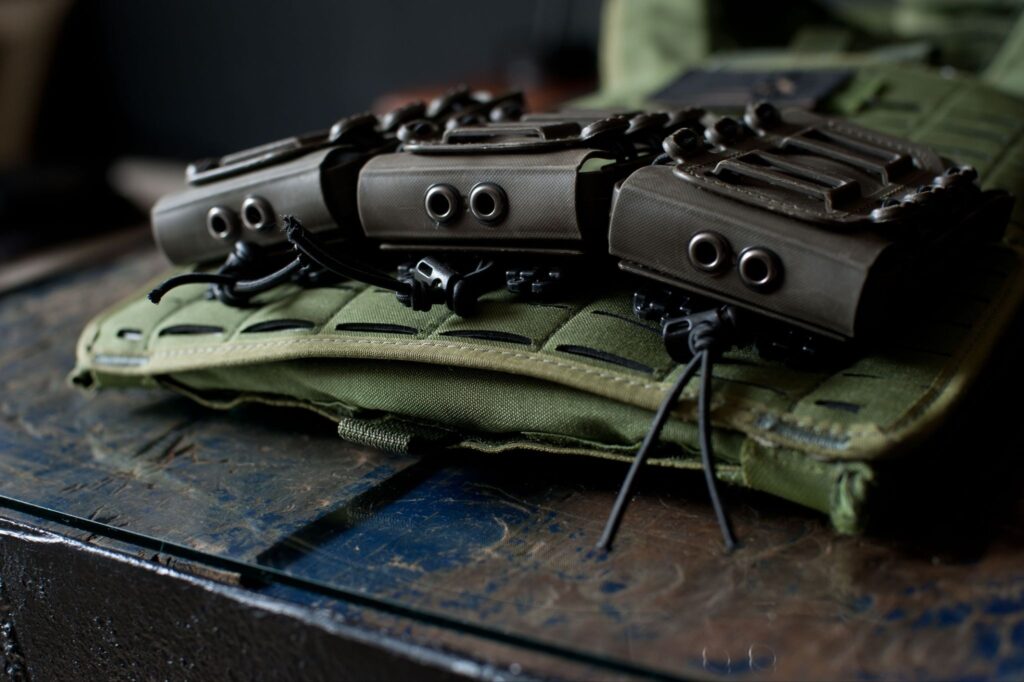
Many modern plate carriers use modular attachment systems to let users configure pouches and accessories based on role.
This can include medical kits, communication tools, identification panels, utility pouches, hydration systems, or admin storage.
The benefit is flexibility.
The risk is overload.
A carrier should not become a place to attach everything available.
Setup Questions to Ask
Before adding gear, consider:
- What equipment is required?
- What must be reached quickly?
- What can stay in a bag?
- Does the setup restrict movement?
- Is weight balanced front to back?
- Are pouches secure?
- Can the wearer sit or bend?
- Does gear interfere with arms?
- Is the layout easy to repeat?
A practical setup supports, instead of adding clutter.
Quick-Release Systems Improve Usability
Many modern plate carriers feature quick-release mechanisms that allow rapid removal during emergencies without compromising security in normal use.
This can matter during medical response, emergency extraction, heat stress, or equipment failure.
Quick-release systems should be easy to use but secure enough to prevent accidental release.
Users should train with the system before relying on it.
A feature is only useful if the wearer understands how it works under pressure.
Regular inspection is also important.
Cables, buckles, pull tabs, and attachment points should be checked for wear or misrouting.
Fit Adjustment Supports Different Body Types
A good plate carrier should adjust to the wearer, not force the wearer to adapt to poor sizing. Fit is affected by:
- Torso length
- Shoulder width
- Chest size
- Body shape
Adjustable shoulder straps and cummerbunds allow better positioning.
The carrier should sit high enough to protect vital areas while allowing bending, breathing, and arm movement.
A fit check should include standing, walking, sitting, reaching, kneeling, and lifting.
If the carrier shifts during normal movement, it needs adjustment.
If it restricts breathing or shoulder movement, the setup may be too tight or poorly sized.
Maintenance Extends Service Life
Like any protective equipment, a plate carrier requires routine maintenance to remain reliable over years of use. Materials degrade over time due to:
- Dirt
- Sweat
- Moisture
- UV exposure
- Rough storage
Users should inspect seams, straps, closures, buckles, webbing, and plate pockets.
Clean according to manufacturer instructions.
Do not use harsh chemicals unless approved.
Store carriers dry, flat or properly hung, and away from excessive heat.
Armor plates should also be inspected separately based on their own care requirements.
Carrier maintenance should be part of the safety routine, not an afterthought.
Final Thoughts
Modern plate carriers represent a blend of material engineering, ergonomic design, and practical functionality. The technology is meant to support, protect, preserve movement, and reduce fatigue.
The best carrier is not simply the one with the most attachment points or the heaviest build.
It is the one that fits correctly, holds plates securely, distributes weight well, and supports the user’s actual role.
Careful selection, proper setup, and regular maintenance make plate carriers more reliable and more practical in demanding environments.
FAQs
What are modern plate carriers for?
Why is proper plate carrier fit so important?
A properly fitted carrier keeps armor plates positioned over vital areas, prevents shifting during movement, reduces fatigue, and allows natural breathing and mobility.
What materials are commonly used in high-quality plate carriers?
Most premium plate carriers use heavy-duty nylon, reinforced webbing, bar-tacked stitching, breathable mesh, durable buckles, and water-resistant finishes to withstand demanding conditions.