Ans: The Follett software inbound marketing pipeline conversion SDR workflow is a structured process of aligning inbound marketing to the SDR workflow while streamlining pipeline-building of potential consumers.
What Is Follett Software Inbound Marketing Pipeline Conversion SDR Workflow?
POST BY
PUBLISHED
March 11, 2026
You can simply understand Follett software inbound marketing pipeline conversion SDR workflow as an organized framework that works towards improving the inbound marketing and SDR operations.
Consequently, the Follett software is an educational technology tool that delivers AI solutions for configuring school libraries and other assets. However, this methodology aims to contribute to business success by mitigating marketing and sales incompetencies.
While this workflow might seem complex to understand, you can follow our comprehensive guide below to analyze its meaning, key stages, and how it contributes to business growth.
Table of Contents:
- What is Follett Software Inbound Marketing Pipeline Conversion SDR Workflow?
- What are the Key Stages of Follett Software Inbound Marketing Pipeline Conversion SDR Workflow?
- How does Follett Software Inbound Marketing Pipeline Conversion SDR Workflow Help?
- What are the Major Challenges in Follett Software Inbound Marketing Pipeline Conversion SDR Workflow?
- Wrapping Up
- FAQs
What is Follett Software Inbound Marketing Pipeline Conversion SDR Workflow?
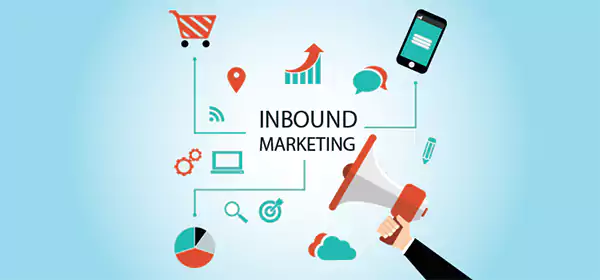
The Follett software inbound marketing pipeline conversion SDR workflow is a structured approach that nurtures marketing leads and forwards them to sales representatives after they are developed.
Besides this, it refers to the process of combining three essential components of business operations, including inbound marketing, the stage of building a pipeline, and the Sales Development Representatives.
Furthermore, the inbound marketing in this method refers to the systematic strategy that focuses on attracting potential consumers by offering customized experiences and high-value content. However, this streamlined process aims to align these primary aspects to enhance operational efficiency and increase business revenue growth.
Also Read: 10 Best Language Learning Apps: Tried and Tested by Experts
What are the Key Stages of Follett Software Inbound Marketing Pipeline Conversion SDR Workflow?
As you have understood what the Follett software inbound marketing pipeline conversion SDR workflow is, let’s have a look at its key stages, which include attracting, converting, closing, and delighting consumers. Subsequently, read out the pointers below to learn more about its key stages.
- Attracting Consumers: The primary stage of inbound marketing is attracting potential consumers by effectively utilizing Search Engine Optimization (SEO), social media platforms, and content strategy.
- Converting Consumers: The next step involves converting those visitors into leads, as businesses have to publish relevant blog posts, informative guides, and specialized social media content, and develop impressive landing pages and forms.
- Closing Leads: Once you have access to leads, the next step is to close leads or convert them into consumers of your products or offerings, as you have to involve the SDR team and connect with prospects after pipeline-building.
- Delighting Consumers: The last step of this methodology is to provide customer satisfaction, as you have to retain the consumers who will assist in enhancing your business expansion by promoting advocacy and referrals.
Also Read: Top 25 Powerful Event Management Software for Seamless Event Execution
How does Follett Software Inbound Marketing Pipeline Conversion SDR Workflow Help?

Inbound marketing, in combination with SDR and pipeline-building, serves the purpose of attracting and retaining customers, along with promoting referrals and driving market expansion.
In addition, this methodology delivers several significant benefits, including:
- Increase Business Revenue and Expansion: With the help of this structured approach, businesses can improve their sales numbers and perform better than their competitors to expand their market presence.
- Improves Cost-Efficiency: As it aligns the marketing strategies with sales, firms achieve cost efficiency and can work efficiently towards reducing inefficiencies and mitigating risks.
- Significantly Enhances Customer Experience: The primary aim of this workflow is to ensure optimal satisfaction of customers, as it will help them build brand loyalty and gain new prospects via referrals and advocacy.
- Deliver Better Conversion Rates of Potential Consumers: Your business can have better conversion rates due to targeted lead generation of this approach and enhanced SDR productivity, complemented by optimal quality of leads.
Also Read: Voozon: An All-in-one Digital Platform with Powerful Smart Tools
What are the Major Challenges in Follett Software Inbound Marketing Pipeline Conversion SDR Workflow?
The efficiency of your inbound marketing pipeline conversion SDR workflow can be limited due to poor response times to leads, a lack of visibility,
clarity, and overlooking the delight stage.
Besides this, the key challenges in Follett Software Inbound Marketing Pipeline Conversion SDR Workflow include:
- Poor Response Speed to Generated Leads: Your workflow will fail to deliver results if your SDR team delays an appropriate response to the leads generated through inbound marketing, as it will directly impact the conversion rates and business revenue.
- Issues with CRM Integration into Core Operations: Customer Relationship Management (CRM) plays a crucial role in increasing your brand value, as partially incorrect and incomplete data will ruin your chances of closing leads.
- Lack of Alignment between Inbound Marketing and SDR Team: As this methodology aims towards improving operational efficiency, a lack of alignment between marketing and SDR teams will reduce qualification accuracy and increase sales cycles.
- Overlooking the Delight Stage: The Delight stage is among the most essential aspects of ensuring your products or services can reach widespread audiences, and a lack of focus will result in missing out on the opportunities for referrals.
Also Read: Top 25 Powerful Event Management Software for Seamless Event Execution
Wrapping Up
As Follett software inbound marketing pipeline conversion SDR workflow contributes towards better alignment of sales strategies to marketing plans, businesses ensure scalable growth with better brand value.
However, its strategic implementation is required to get consistent results with optimal and timely response to generated leads, along with streamlined CRM activities and focus on customer satisfaction.
FAQs
Q: What is Follett software inbound marketing pipeline conversion SDR workflow?
Q: What are the 4 stages of inbound methodology??
Ans: The 4 core stages of inbound marketing include attracting and converting consumers, along with closing leads, and delighting, which is the process of upholding customer satisfaction and improving retention.
Q: Which stages of the inbound flywheel are most important to e-commerce inbound marketing?
Ans: The last stage, which is known as the delight stage, is the most essential aspect of e-commerce inbound marketing. Furthermore, it focuses on improving customer satisfaction, which is the primary focus of the flywheel component in this workflow.
Q: What is the impact of SDR workflow on pipeline conversion?
Ans: The SDR workflow possesses a major impact, as it decides the efficiency of pipeline conversion through the quality of leads and customized outreach through different channels.